Posts

Showing posts with the label posterior cruciate ligament

Posterior Cruciate Ligament Injuries Often Go Unnoticed Early

Image
Sharp pain isn't always part of the picture with a posterior cruciate ligament injury. Some patients describe a vague sense that the knee isn't quite right, rather than a clear injury moment, and that's often why these cases get missed in the first assessment. What Gets Assessed A proper diagnosis looks past whatever symptoms show up first. How the injury happened, what stability testing reveals, and what imaging shows together build the full picture of what's going on inside the knee. History of how the injury occurred Knee stability testing MRI review Discussion of treatment pathways based on findings Not every posterior cruciate ligament injury requires surgery, and the right approach depends on the grade of injury and how it's affecting daily function. If an posterior cruciate ligament injury is suspected, arrange a consultation with Mr Vishal Pai, orthopaedic knee surgeon in Melbourne, for a proper assessment.
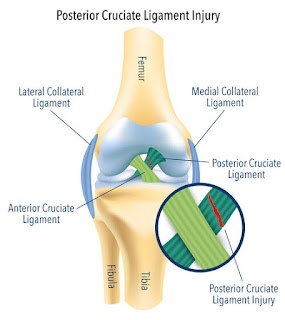
Restore Functionality with PCL Reconstruction Surgery

Image
Concerns regarding knee strength commonly prompt questions about the posterior cruciate ligament (PCL). This crucial knee component not only facilitates movement but also hinders the tibia from moving backward on the femur. It is vital for individuals with an injury to comprehend the PCL's role and the recovery process. Vishal Pai offers expert guidance and contemporary solutions for PCL reconstruction . Why Your Posterior Cruciate Ligament Matters for a Stable Knee The posterior cruciate ligament is crucial for knee stability, being the strongest ligament in the knee that connects the back of the femur bone to the back of the tibia bone to prevent tibial slippage. PCL injuries can occur from strong forces like a direct knee impact, a car dashboard injury, or an athlete falling onto a bent knee. These injuries vary from Grade 1, causing a mild sprain maintaining knee stability, to Grade 3, resulting in a complete ligament tear. Symptoms include pain, swelling, and knee instabili...